
Many people believe that painting is a straightforward, universally applicable process. Although any space can be revitalised with a new coat of paint, the painting industry is much more complex, particularly when contrasting residential services with commercial and strata painting. It involves a whole different set of abilities, tools, safety regulations, and logistical know-how than simply painting a wall.
The Discernible Disparity in Scope and Scale
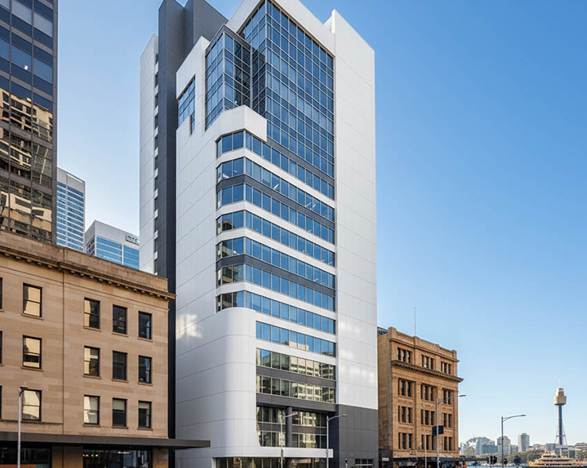
The size of the task is the most obvious difference. A single-family home or apartment is usually the subject of residential painting. However, strata and commercial projects are entirely different. They may include entire school campuses, busy retail areas, expansive office parks, multi-story apartment buildings, or industrial warehouses.
Because of this significant scale disparity, commercial and strata painters need to be ready for:
Larger, Specialised Crews: While a residential job can be completed by a single painter, commercial projects require a well-coordinated group of skilled experts. These teams collaborate to finish big areas quickly and effectively, and they are proficient in a range of techniques.
Heavy-Duty Equipment: While residential painters may use a ladder, scaffolding, scissor lifts, and boom lifts are necessary for commercial and strata jobs in order to safely reach high elevations. High-volume, airless sprayers are necessary to swiftly and uniformly cover large areas, guaranteeing a polished, uniform finish over hundreds or even thousands of square metres.
Complex Project Management: The process of painting a house is simple. It’s a logistical challenge to paint a 10-story apartment complex with hundreds of occupants. To minimise disruption to tenants, staff, and customers while adhering to a strict timeline, this calls for careful planning, precise scheduling, and ongoing coordination.
A Range of Surfaces and Materials Beyond Walls
Plaster, drywall, and wood trim are common materials used in residential painting. However, the variety of surfaces found in commercial and strata properties is far more extensive and demanding.
Sturdy Surfaces: Commercial buildings’ high-traffic areas, such as stairwells, hallways, and lobbies, are frequently scuffed, scraped, and fingerprinted. This calls for the use of paints that are more resilient to scuffs, can be washed, and can tolerate heavy use and frequent cleaning without showing signs of wear.
Specialised Substrates: Concrete, masonry, metal structures, and pipes are frequently found in commercial buildings. To guarantee proper paint application and long-lasting defence against rust, weather, and corrosion, each of these materials needs a different primer, sealer, and coating.
Weather Resistance: Commercial and residential buildings’ exteriors are constantly exposed to inclement weather. High-build and elastomeric coatings are frequently used to offer superior waterproofing and protection, keeping moisture from soaking through the building’s facade and causing expensive damage.
Beyond the Brush: Professional Collaboration and Business Acumen
The homeowner is usually the client for a residential painting project. The client in a commercial or strata setting could be a body corporate, a strata manager, or a business owner. This shifts the relationship from a simple service transaction to a professional partnership.
Formal Agreements and Guarantees: These projects are regulated by comprehensive, legally binding agreements that specify the entire scope of work, project budgets, payment plans, and workmanship and material warranties.
Reducing Disruption: Getting the job done with the least amount of disruption to regular business operations is a major priority for commercial and strata painting. This could entail working on the weekends, after hours, or dividing off portions of the property so that operations can go on as usual.
Clear and Consistent Communication: It’s important to keep the client informed. To guarantee that the project fulfils all requirements and stays clear of unanticipated problems, a professional commercial painting service keeps the lines of communication open with the business owner or strata manager and provides frequent progress updates.
In the end, pick expertise rather than a painter.
The process varies greatly for residential, commercial, and strata projects, but the ultimate objective of painting, a safe and attractive surface, is the same for all properties. The highly specialised field of commercial and strata painting requires a special set of abilities, tools, and professional knowledge.
It’s important to work with a company that is aware of these differences and has a track record of producing a high-quality, long-lasting result with the least amount of disturbance when you’re searching for painting services for a large-scale project.
Reference: Painterslink.com.au